Why Antibiotic Sensitivity Testing Matters on Modern Poultry Farms
Empirical antibiotic use is losing its reliability. Learn how laboratory sensitivity panels help farms choose the right treatment the first time — and slow down resistance.
Read More
Developing personalze our customer journeys to increase satisfaction & loyalty of our expansion.

Developing personalze our customer journeys to increase satisfaction & loyalty of our expansion.

VPHS unites two specialized laboratories, a research-driven team and decades of field experience to deliver accurate diagnostics, practical recommendations and healthier herds and flocks across the EAEU region.


The VPHS scientific division exists for one purpose: to give veterinarians and producers answers they can act on. Our laboratories investigate the pathogens that threaten poultry, livestock and companion animals — and translate every finding into concrete treatment, vaccination and biosecurity recommendations.
From routine microbiological monitoring to advanced molecular genetics, we combine accredited methods, modern equipment and hands-on field expertise, so science never stays on paper.
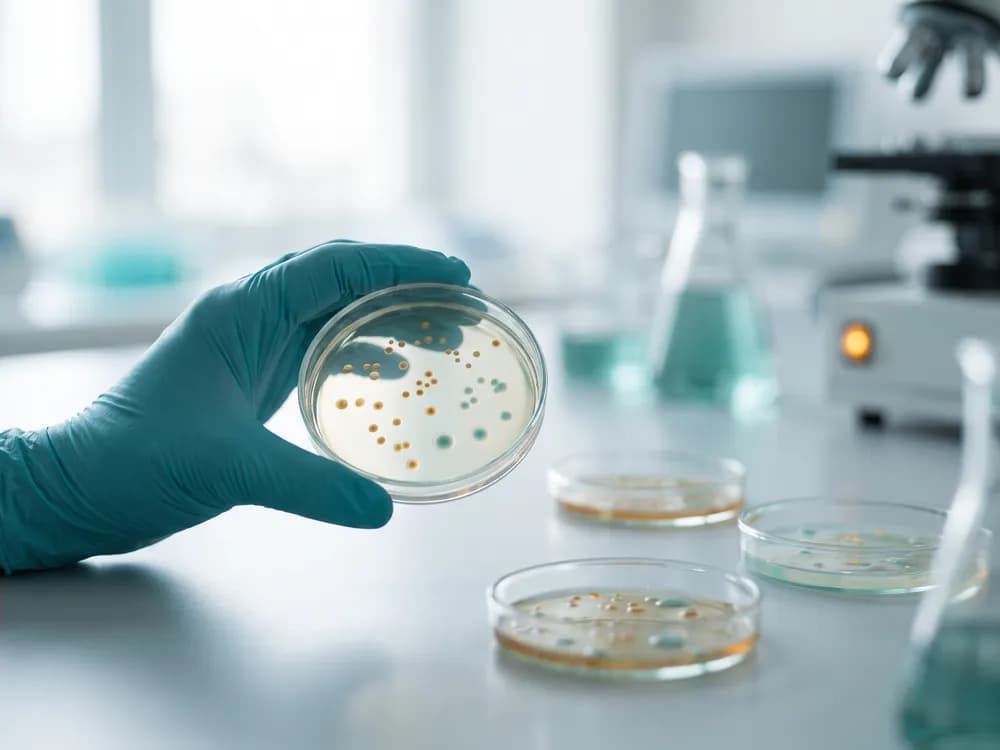
Classical and modern microbiology: pathogen isolation, identification and antibiotic sensitivity testing for farm and companion animals.
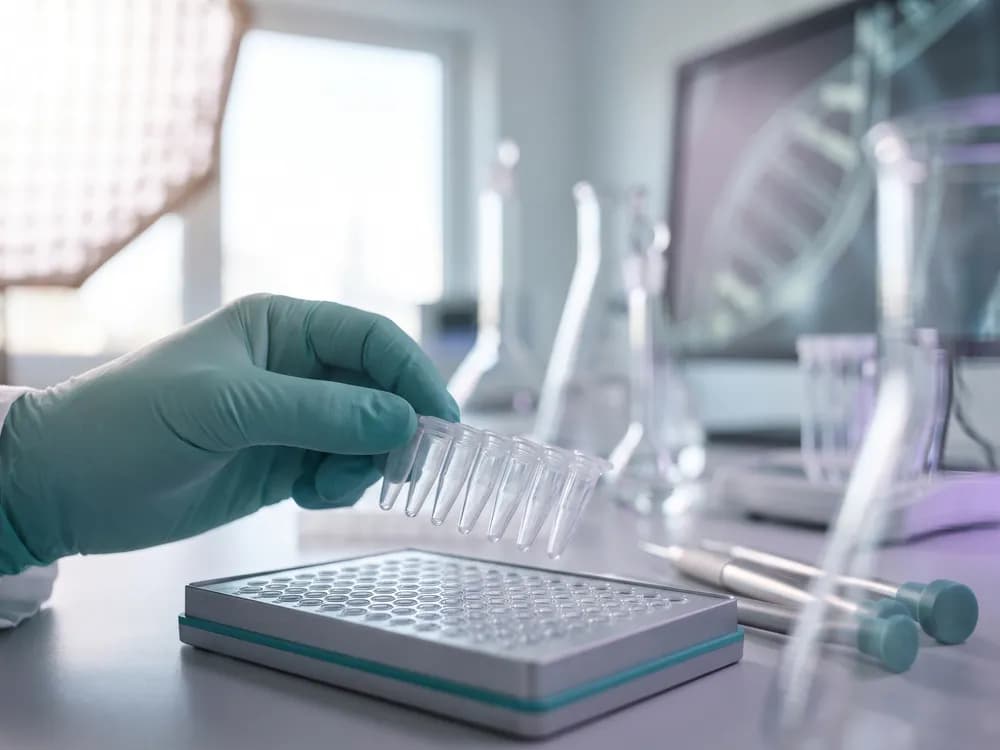
PCR, qPCR and sequencing-based diagnostics that detect pathogens early, type field strains and monitor breeding stock genetics.
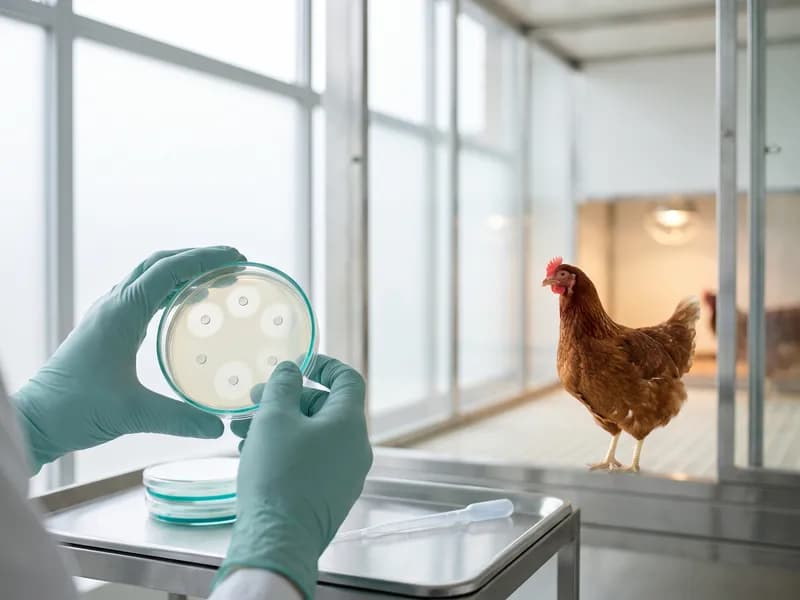 Bacteriology
Empirical antibiotic use is losing its reliability. Learn how laboratory sensitivity panels help farms choose the right treatment the first time — and slow down resistance.
Read More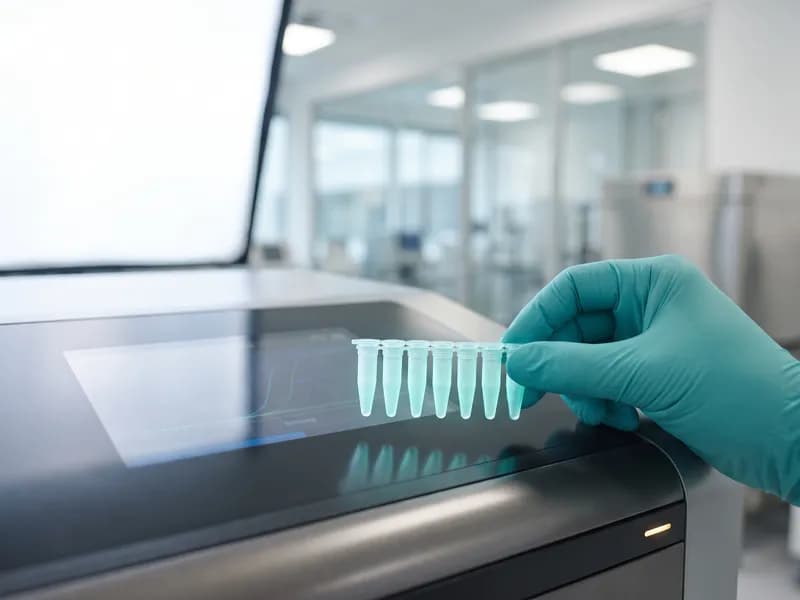 Molecular Genetics
Molecular methods can identify viral and bacterial pathogens days before a flock shows symptoms, giving veterinarians a critical head start on containment.
Read More Bacteriology
What happens to a sample after it leaves the farm? A step-by-step look at reception, culturing, identification and the report that reaches your veterinarian.
Read More
Send us your samples and our specialists will identify the pathogen, test treatment options and return an actionable report — usually within 48 hours.